back to the blog
Motorcycle Training Reform 2026: Explained for Learner Riders

Olivia C · February 16, 2026
If you’re thinking about doing your CBT, riding on L-plates, or aiming for a full licence, you’ve probably seen headlines about “major changes” to motorcycle training.
Nothing has changed yet, but the DVSA and the Department for Transport are consulting on reforms to motorcycle training, testing and licensing until 31 March 2026 (England, Scotland and Wales).
So what’s being proposed, and what could it mean for you?
What the DVSA is considering (in plain English)
CBT on an automatic scooter could mean automatic-only entitlement
Right now, you can do CBT training on an auto bike, then legally ride a geared bike afterwards. But, there’s an argument that riding a manual bike involves different skills, and being unprepared for this on the roads could affect road safety.
The DVSA is considering restricting learner riders to automatic machines if that’s what they used for their CBT.
Under this proposal, if you want to ride a manual bike after doing CBT on an automatic, you’d need extra training to “upgrade” your entitlement, either by repeating CBT on a manual or by doing a shorter conversion course (what’s currently known as a Gear Conversion Course).
What this means for you:
- If your plan is a geared 125 after CBT, it may become more important to train on a geared bike from the start.
- If you’re happy on automatic bikes, this may not affect you much at all.
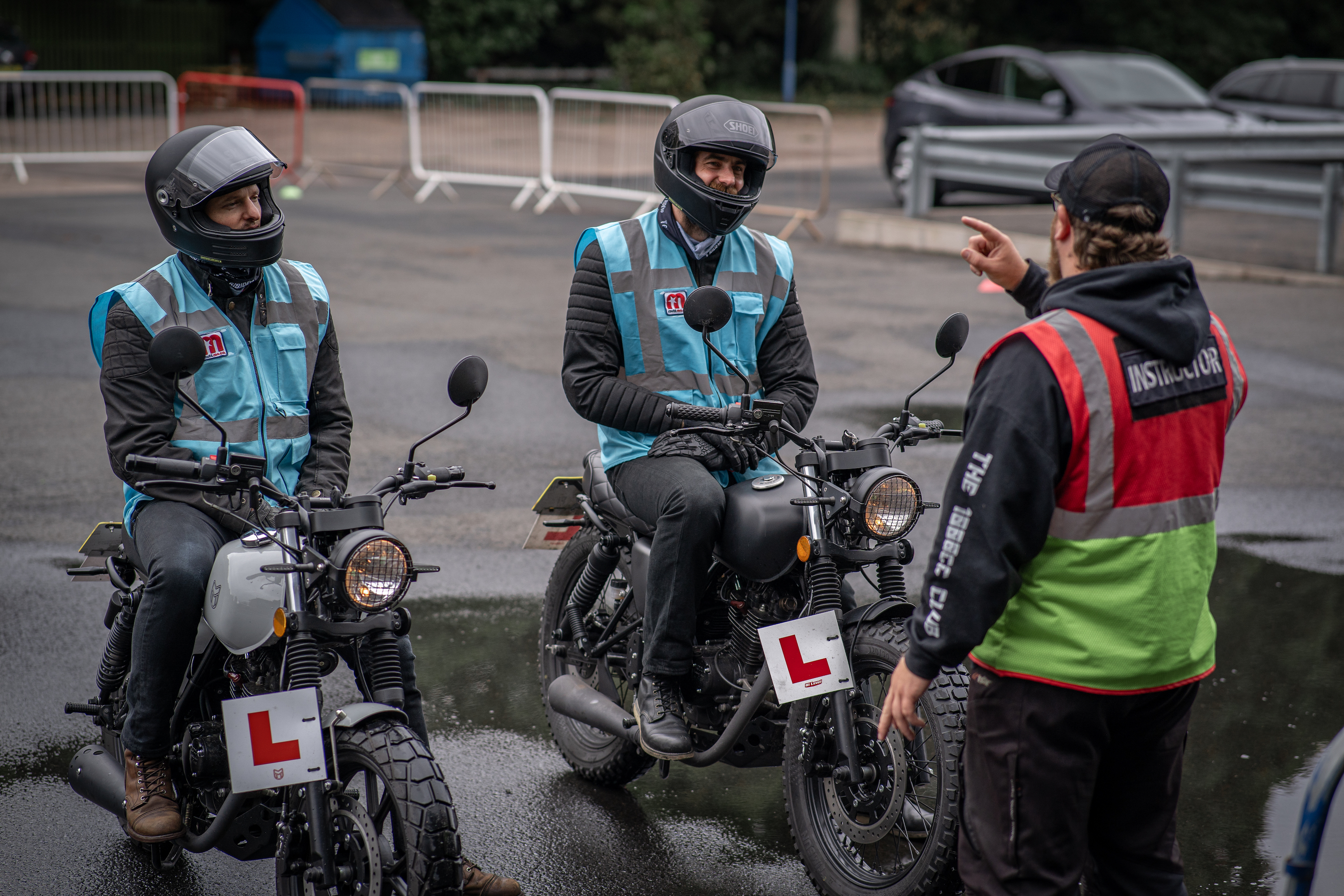
Theory and hazard perception testing could be part of the CBT process
Currently, most learners only think about the motorcycle theory test when they’re heading towards a higher licence (i.e. A1, A2 or full licence).
But, the DVSA says previous research found a gap in theoretical knowledge across new riders, and they ask whether learner riders should prove Highway Code knowledge and hazard awareness earlier. This would make sure riders are better equipped to start riding solo on public roads.
How could this work in practice? One option is requiring first-time road users (people with no full licence of any type, including car) to pass the motorcycle theory and hazard perception test either as part of, or after, CBT. Another option is making a DVSA-approved online course a mandatory part of CBT training.
What this means for you:
- CBT training could feel more structured with regards to testing knowledge of the Highway Code and hazard perception, with more learning “up front”.
- If you’re planning to start riding soon, doing basic prep now will only help, regardless of what changes later. After all, road knowledge is still assessed, just not in a uniform way across schools.
Progressive access upgrades could be done by training (not another test)
One of the biggest gripes new riders have is the cost of getting an A-licence and the number of steps involved in upgrading.
At the moment, if you have an A1 or A2 licence and want to upgrade to a full A licence, you usually have to hold it for two years and then pass the same practical tests (Mod 1 & Mod 2) again, just on a larger bike.
The DVSA is consulting on an alternative: upgrading via a structured training course instead of taking another test, while still keeping the test route as an option. This has been campaigned for by the training industry for a while now.
Note: they are not proposing to change any of the minimum ages for the different categories.
What this means for you:
- If this goes ahead, moving up categories could become more like a guided pathway and less like paying for test after test.
- Don’t expect it to be instant even if approved: DVSA is clear it would need systems and quality controls in place.
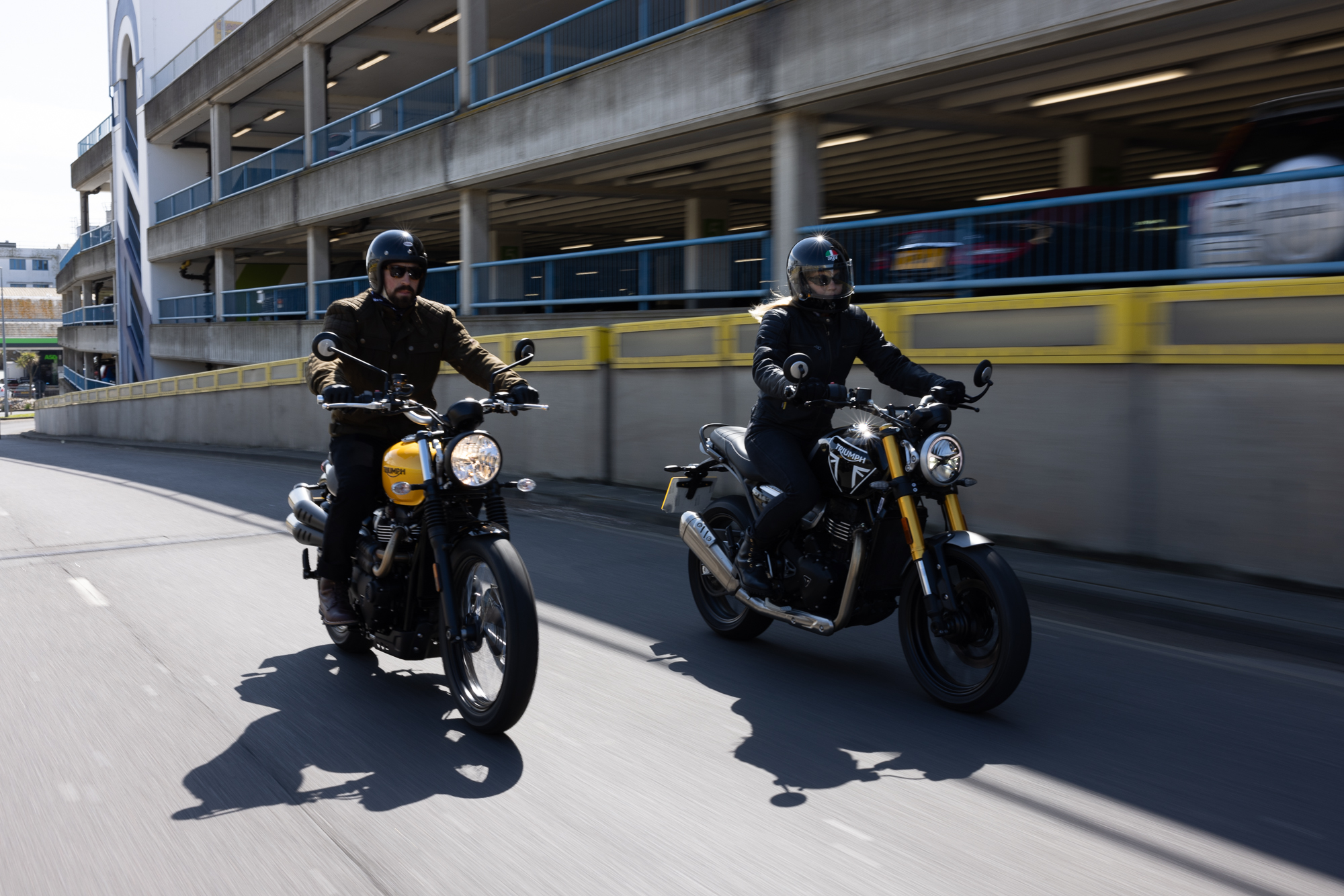
CBT syllabus updates (including more structured on-road riding time)
The CBT course content has been largely unchanged since 1990, but today’s road and traffic environment is different. They propose to update the CBT syllabus for modern road practices.
Some of the proposed changes are:
- Filtering content would be formally included.
- The on-road element could be made more structured: DVSA proposes splitting the minimum two hours of on-road training into two phases of at least an hour each, with reflection/discussion time between them. That would make the on-road element at least 2.5 hours rather than “two hours minimum”.
What this means for you:
- Training may become more aligned with real-world riding and decision-making.
- More time to ride + reflect should be a good thing for confidence.
CBT renewals could face limits
At the moment, a CBT certificate lasts two years. If you don’t pass a full test in that time, you have to redo CBT to keep riding on L-plates. The DVSA highlights that this has led to a lot of “perpetual learners”, often commuters and delivery riders, who ride for years without taking a full test and just keep renewing their CBT.
They are exploring ways to encourage progression to a full licence, including the idea of a minimum wait period before retaking CBT after it expires.
What this means for you:
- If you currently rely on repeat CBTs to keep working or commuting, this is a key area to watch and respond to in the consultation.
- If you’re learning with the goal of a full licence, it’s a good reminder to plan your next step early rather than leaving it to the last months of your CBT.
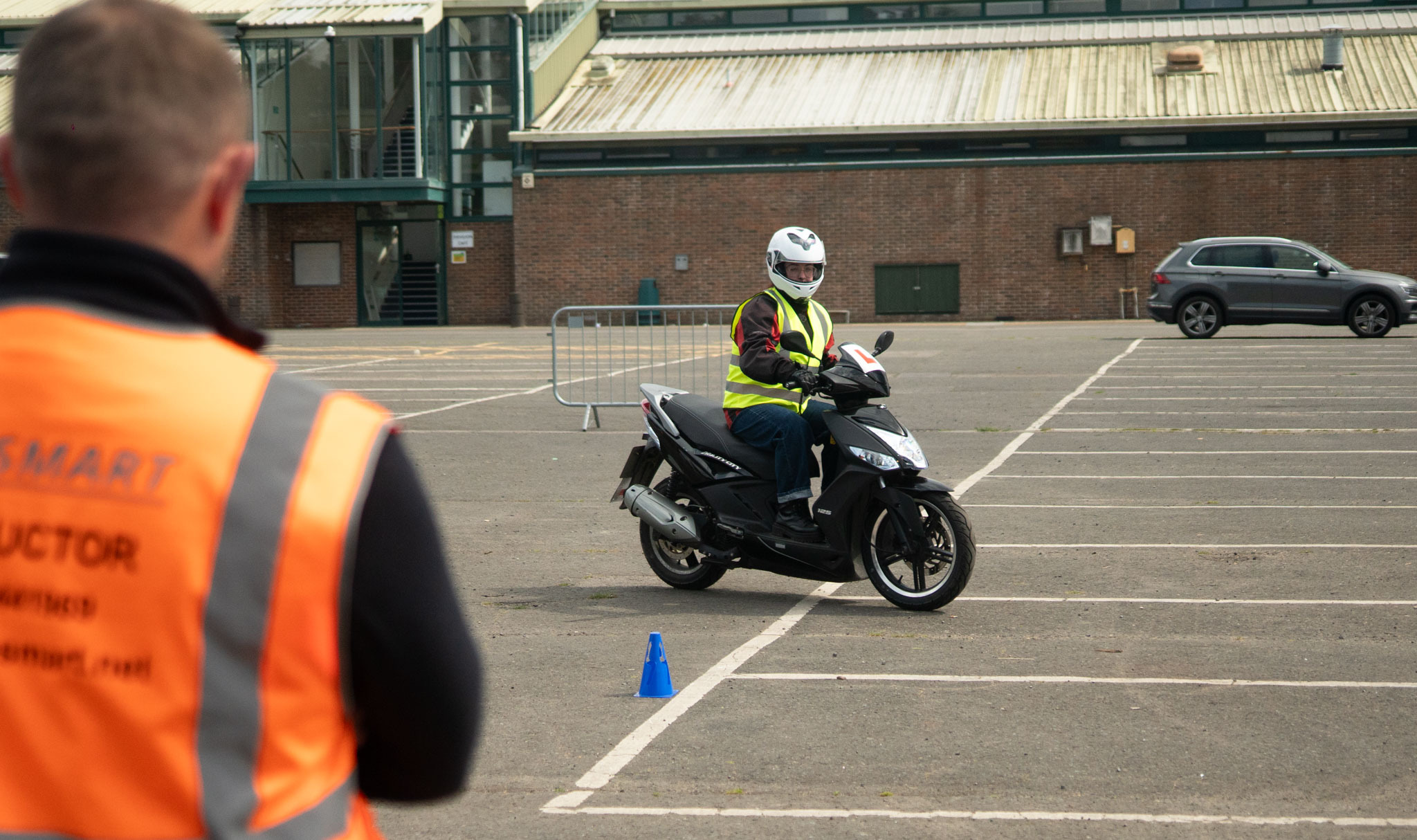
Should you rush to do CBT before anything changes?
No. This is still a consultation, there’s no “deadline” where the rules flip overnight.
If you’re ready to learn now, do it because it suits your life, budget and needs, not because you’re apprehensive of rule changes. The consultation closes on 31 March 2026 (11:59pm).
After that, the DVSA and Department for Transport will review responses and publish the outcomes.
If you want a say in how learner riding should work, you can respond to the DVSA’s proposals here.
Practical advice for learner riders right now
If you haven’t done CBT yet
- Decide whether you want to ride scooters or geared bikes after CBT. If geared is the goal, choose a school that can train you on gears. Or, go for an automatic and take a gear conversion course after you’ve secured your CBT certificate.
- Start light study now: Highway Code basics, junction priorities, and hazard perception.
If you have your CBT certificate
- If a full licence is your goal, sketch out a plan early (theory test → training → Mod 1 & 2 timeline) so you’re not scrambling before your CBT expires.
- If you’re likely to renew CBT again, keep a close eye on the “validity and retake” proposals and consider responding to the consultation.
If you want to move up categories later
-
Watch the progressive access proposals. If training-based upgrades become real, it could change how you plan your jump to bigger bikes.