back to the blog
Motorcycle myths: common bad advice, and what to do instead

James B · February 27, 2026
The internet is brilliant for inspiration and absolutely terrible for picking up riding habits. Scroll long enough and you’ll find “rules” that sound confident, get repeated in comments, and quietly make riders less safe.
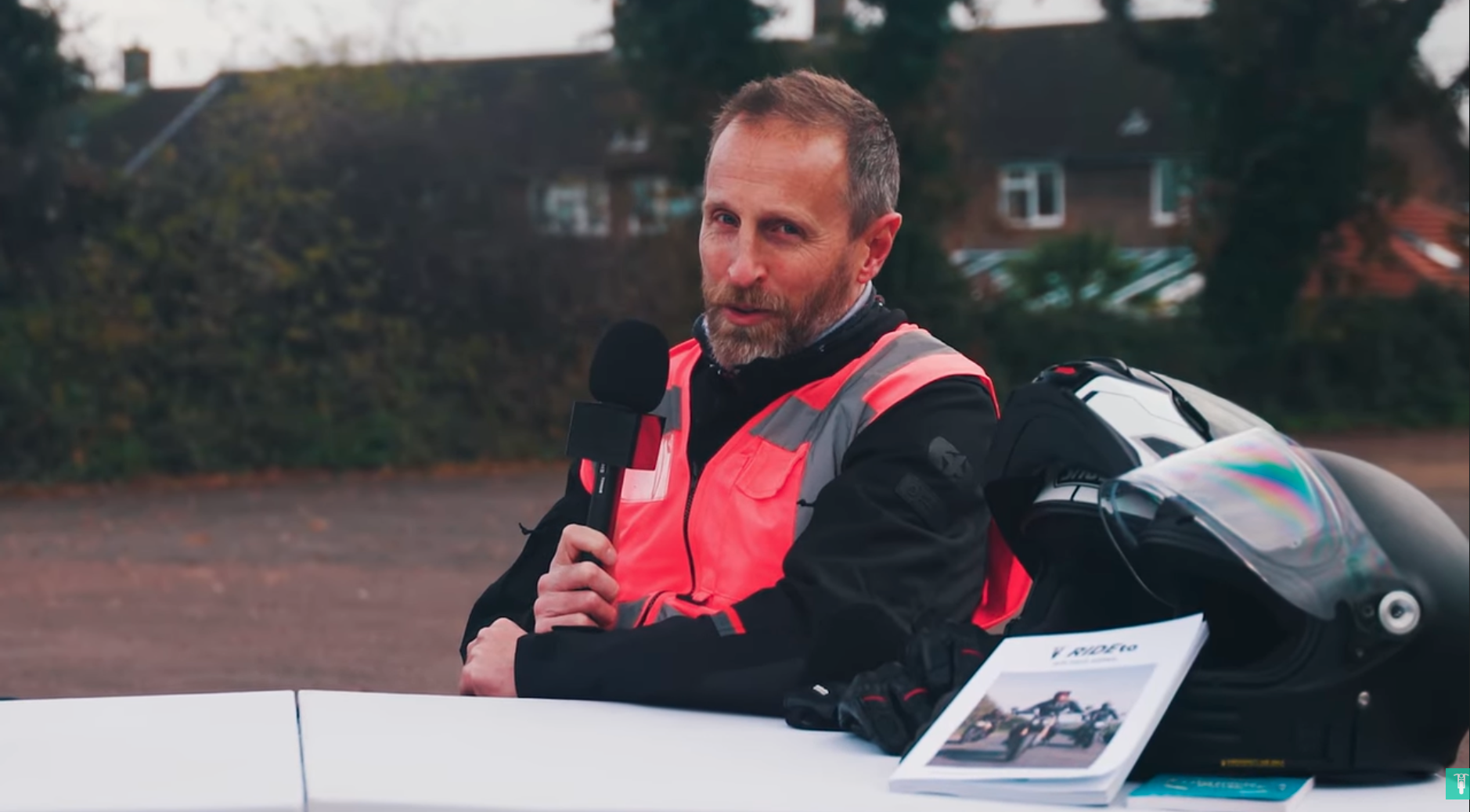
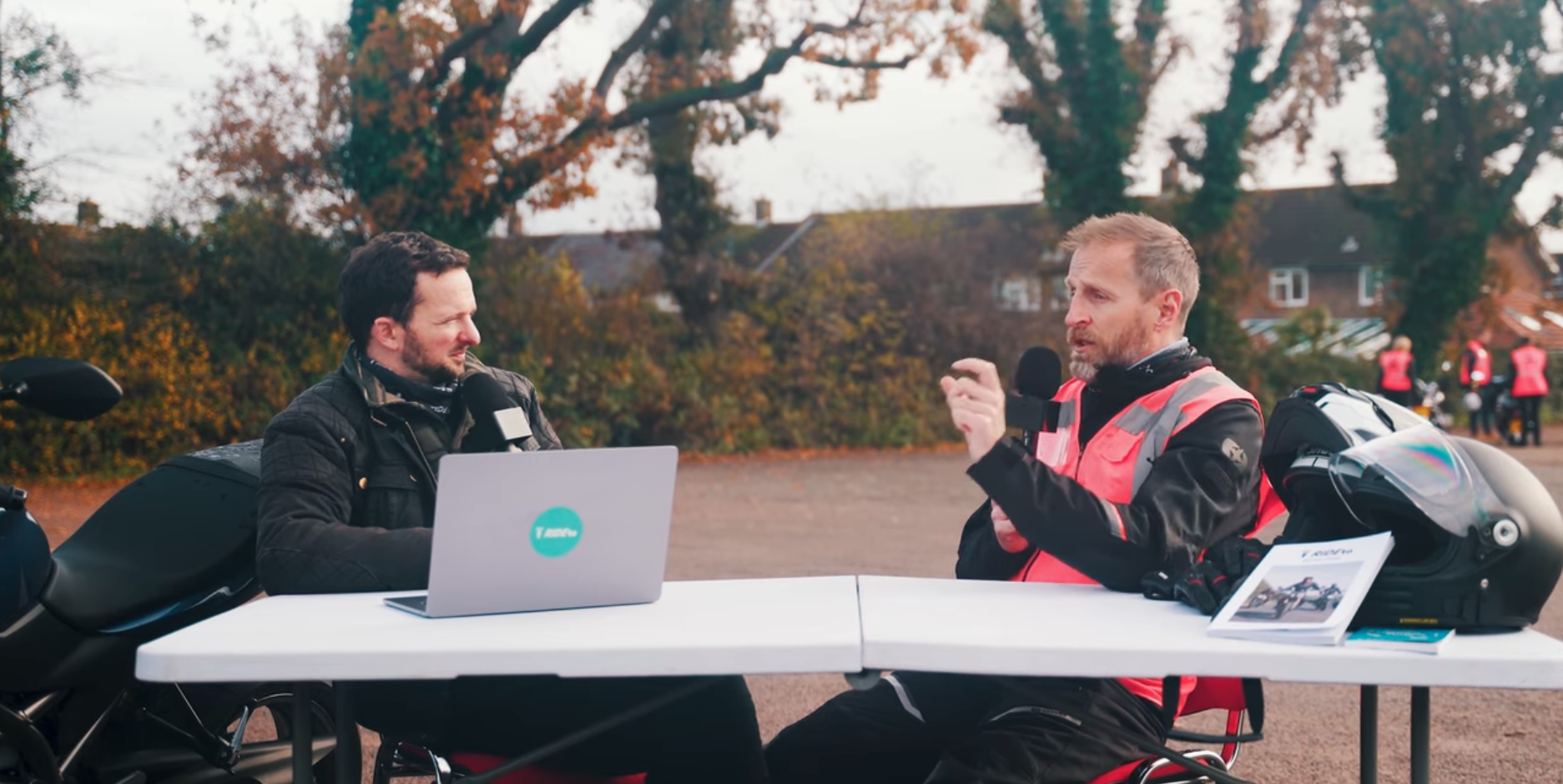
To break some of these myths, we’re joined by DVSA qualified Motorcycle Instructor Rich from ART Rider Training, who sets the record straight on what it really takes to be a good rider.
Myth 1: “Loud pipes save lives”
A louder exhaust might get some attention, but it is not a reliable safety system. Many drivers are insulated by modern soundproofing, music, and closed windows. The people most likely to notice loud pipes are pedestrians and the police.
A better approach is boring but effective:
- ride in positions where you can be seen
- avoid sitting in blind spots
- manage your speed and following distance
- anticipate what other road users are about to do
Truth: being seen comes from positioning, timing, and awareness far more than noise.
Myth 2: “You don’t need gear for short rides”
The “just popping to the shops” ride is exactly when people cut corners. That’s also when riders are closest to home, on familiar roads, and most likely to switch off mentally.
A short ride can still involve:
- a car pulling out unexpectedly
- a diesel spill at a junction
- a pothole you didn’t spot
- a sudden stop you didn’t expect
Truth: dress for the slide, not the ride - even on short trips.
Myth 3: “Proper gear is pointless on a 125cc”
A 125 is still a motorbike! It can do real speeds and it can still throw you down the road. Sliding at 30 mph is still sliding at 30 mph, regardless of engine size.
Truth: the road does not care what badge is on the tank.
Myth 4: “If it’s raining, just go faster so you get home sooner”
Rain changes grip, visibility, and stopping distances. Add wet leaves, painted road markings, and cold tyres and your margin for error shrinks fast.
The correct move is the opposite:
- slow down slightly
- be smoother on brakes and throttle
- increase your space
- avoid sudden inputs
Truth: rain is a cue for extra caution, not urgency.
Myth 5: “You’ll learn to corner by going faster”
Speed can hide poor technique right up until it doesn’t. If you want to improve cornering, the best place is a controlled environment with coaching, not public roads with unpredictable hazards.
On-road, the safest route to better cornering is:
- better observation
- better lines and positioning
- smoother inputs
- riding within your limits
Truth: skill comes from practice and feedback, not bravado.
Myth 6: “You can stop quicker if you only use the rear brake”
This one is dangerously wrong for most bikes. The front brake is your primary stopping power. Relying on the rear increases the chance of locking up, sliding, and lengthening stopping distance.
Truth: learn good braking technique and use both brakes correctly.
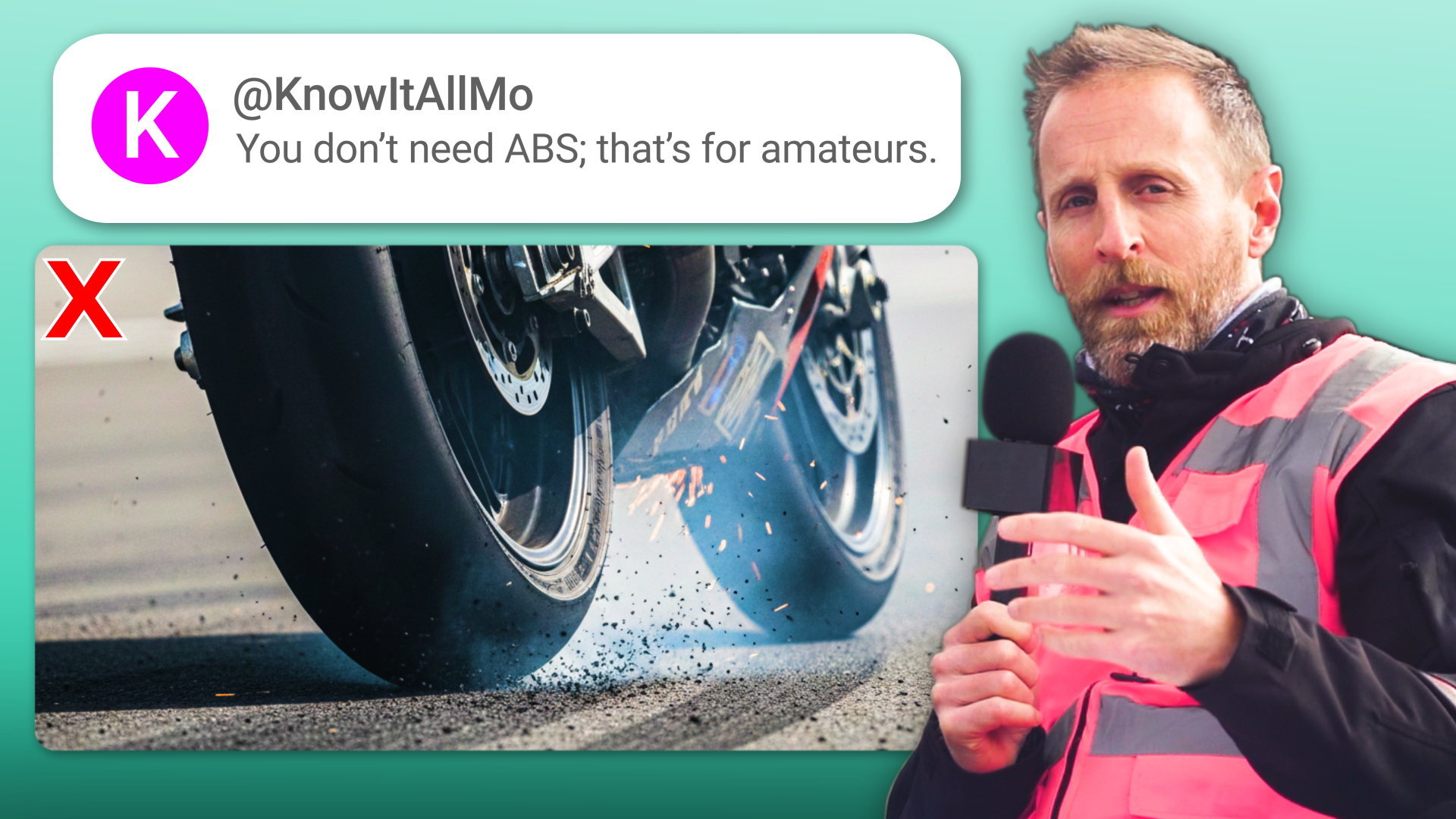
Myth 7: “You don’t need ABS, that’s for amateurs”
Modern safety tech exists because it works. ABS can help prevent a front-wheel lock in a panic stop, especially in poor conditions. It does not replace skill, but it can save you when something goes wrong quickly.
Truth: using safety features does not make you less of a rider.
Myth 8: “Just lean the bike, your body doesn’t matter”
There are different riding styles, and you do not need to hang off like you’re on track to ride well. But your riding position still matters because it affects balance, stability, and how easily the bike turns.
More important than copying a look:
- be relaxed on the bars
- keep your vision up
- steer with intent
- position yourself comfortably and consistently
Truth: comfort and control beat imitation.
Myth 9: “You don’t need to look through corners, just follow the road”
Where you look is where you tend to go. Staring at the edge, the pothole, or the hedge is a great way to drift towards it.
Truth: look where you want to end up, not where you are afraid of ending up.
Myth 10: “You can ride tired, coffee fixes everything”
Fatigue steals attention, judgment, and reaction time. Coffee might make you feel awake, but it does not restore your focus if you are depleted.
Truth: if you are tired, stop and rest. Riding demands your full brain.
Myth 11: “Texting at red lights is fine”
Phones and bikes do not mix. Even if the bike is stationary for a moment, you are training your brain to split attention in traffic, and it only takes one missed change or one wobble to go wrong.
Truth: keep the phone away until you are parked and finished riding.
Myth 12: “You don’t need to check tyre pressure, you’ll feel it”
You might feel a big drop. You won’t reliably feel a small one, and small changes can still affect handling, braking, and tyre wear.
Truth: check pressures regularly with a gauge and the manufacturer’s recommended settings.
Myth 13: “New riders should start on a 1000cc so they don’t outgrow it”
Starting too big is one of the fastest ways to scare yourself out of riding. Power, weight, and throttle sensitivity make big bikes harder to manage when you are still learning basics like control and observation.
There is also a practical reality: insurance on a big bike as a new rider can be painful.
Truth: start on something you can enjoy and control, then move up when you’re ready.
Myth 14: “If you drop your helmet, it’s definitely fine”
Sometimes it is fine. Sometimes it isn’t. The problem is you cannot always see internal damage.
A safer habit is simple:
- avoid putting your helmet on mirrors or perches where it can fall
- if it takes a hard hit, consider replacing it
Truth: it’s your head. Treat the helmet like it matters.
Myth 15: “Other drivers can always see you”
They can’t. Not consistently. Even other bikers miss bikes. This is why defensive riding matters.
What helps:
- smart road positioning
- visible lane placement
- not lingering in blind spots
- anticipating common mistakes at junctions
Truth: ride as if you are not seen, without riding scared.
Myth 16: “You don’t need insurance if you’re careful”
This one is simple. It’s illegal, and it puts you at huge financial risk if anything goes wrong.
Truth: insure the bike. Always.
Myth 17: “If your bike starts to wobble, grab the brakes”
A wobble or tank-slapper is scary, and your instincts will shout “brake”. On some bikes and situations, grabbing brakes can make it worse. The priority is staying calm, holding the bars without fighting them, and letting the bike settle.
Truth: this is a skills topic, not a comment-section tip. Learn what to do from qualified training, not viral clips.
Myth 18: “When in doubt, throttle out”
Sometimes rolling on helps. Sometimes rolling off helps. The key is reading the situation and choosing the correct action, not applying a one-size-fits-all rule.
Truth: decision first, throttle second.
The biggest myth of all: “You can ride bigger than a 125 on L plates if a mate comes with you”
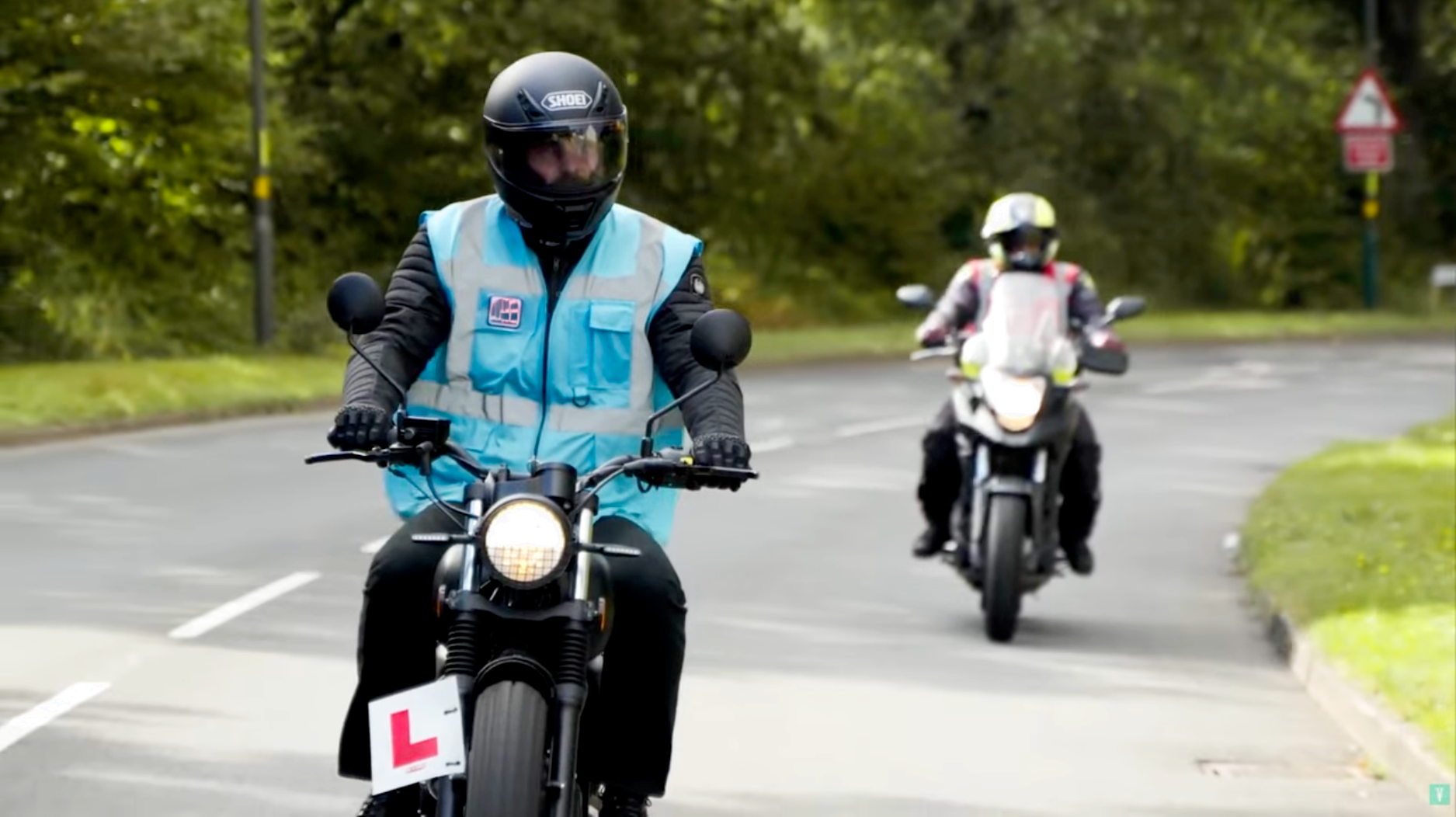
This is one of those social media myths that sounds oddly specific, which makes it feel true. In reality, riding anything bigger than a 125 on L plates on public roads requires a qualified DVSA instructor unless you have an A2 or full licence.
Truth: if you want to learn on bigger bikes, do it properly and legally!
A better way to think about motorcycle advice
Internet advice tends to be confident and simplistic. The best riders are not the loudest. They are the most observant, the calmest, and the most consistent.
If you want to improve quickly, invest in high quality training, and consider enhanced rider training even after a CBT or full licence.
Ready to get started? Book CBT training today.