back to the blog
Spring Motorcycle Riding: Preparing for the Open Road

Jake T · March 24, 2026
As winter fades and the days start getting longer, many riders are getting ready to head back out on the road. For experienced bikers, spring is the start of a new riding season. For newer riders who have recently passed their CBT, it is often the first real chance to enjoy the freedom of motorbikes.
But before you set off, it is worth taking a little time to prepare. Spring riding can be brilliant, but it also brings unpredictable weather, slippery roads and a few hazards that are easy to overlook after a long winter.
At RideTo, we want to help you start the season safely and confidently.
Check Your Motorcycle After Winter Storage
If your bike has been sitting in a garage or under cover for a few months, give it a proper check before heading out.
Start with a full clean to remove any dust, dirt, salt or grime that may have built up over winter. While cleaning, inspect the bike carefully for signs of corrosion, damage or anything that looks worn.
Pay close attention to:
- Tyres: Check pressure, tread depth and look for cracks or flat spots
- Brakes: Inspect the pads and discs, and check brake fluid levels
- Chain: Clean, lubricate and adjust it if needed
- Battery: Make sure it is charged and holding power
- Fluids: Check engine oil, coolant and brake fluid
- Lights and indicators: Test everything before you ride
- Controls: Make sure the throttle, clutch and brakes all feel smooth and responsive
Even if everything looks fine, it is a good idea to take the bike on a short local ride first to make sure it feels right before committing to a longer trip.
If you are not confident doing these checks yourself, our beginners guide to motorcycle maintenance can help you work through the basics step by step.
Wear the Right Gear for Spring Riding
Spring weather is unpredictable. You might set off in dry sunshine and end up riding home in heavy rain an hour later. That means your gear needs to cope with changing conditions.
A good textile jacket and trousers are often the best choice for spring because they offer protection, comfort and weather resistance. You can also layer underneath to stay comfortable as temperatures change throughout the day.
A few essentials to think about:
- Moisture-wicking base layers to help regulate body temperature
- Mid-layers for warmth on colder mornings
- Waterproof over-layers or a packable rain suit if your riding gear is not fully waterproof
- Good gloves and boots that can handle wet conditions
- A quality helmet with a clear visor for visibility in dull or rainy weather
It is also worth carrying some form of high-visibility gear, especially in poor weather or low light. If visibility drops, being seen becomes even more important. Something simple and packable can make a real difference.
Of course you should always have a quality helmet, gloves and boots to ensure you’re protected at all times.
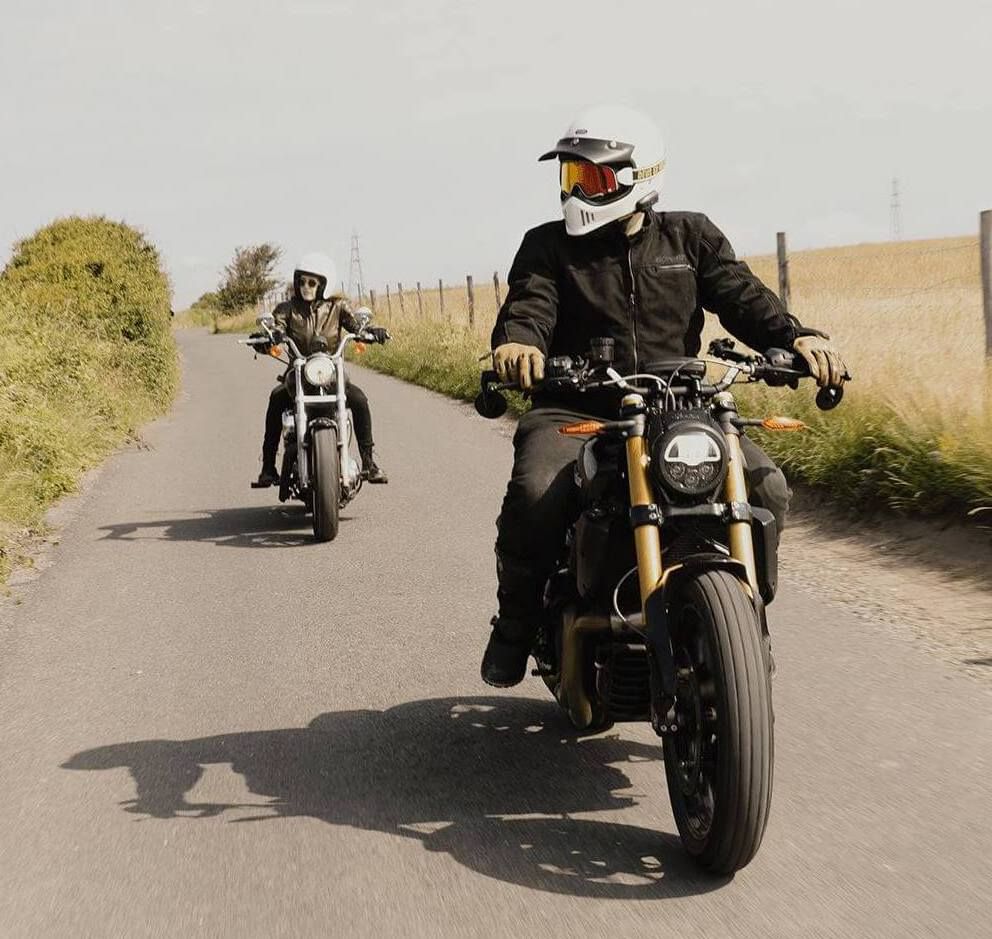
Be Ready for Changing Spring Road Conditions
It is easy to see a bit of sunshine and assume spring riding will be straightforward, but conditions can still catch riders out.
If you have not ridden in a few months, expect to feel a little rusty at first. Build yourself back in gradually. For newer riders, remember that spring roads can change quickly and sometimes without much warning.
One minute the roads are dry, the next you are riding through standing water or a sudden shower.
Slow down and stay alert for hazards such as:
- Wet roads and longer stopping distances
- Painted road markings, drain covers and metal grates
- Mud, gravel and debris left behind on country roads
- Potholes caused by winter weather
- Diesel spills at roundabouts and junctions
- Bright low sun, especially in the morning and late afternoon
Smooth riding is especially important in poor conditions. Brake progressively, avoid sudden inputs and be gentle when cornering. Wet roads reduce grip, so any harsh acceleration, braking or steering can unsettle the bike.
You should also leave more space between yourself and the vehicle in front. This gives you more time to react and more room to stop safely.
Ride Like Drivers Have Not Seen a Bike in Months(!)
Spring often means more bikes returning to the roads, and some drivers might not be used to looking out for them again yet.
That is why defensive riding matters so much at this time of year. Always assume that other road users may not have seen you, especially at junctions, roundabouts and when changing lanes.
A few simple habits help:
- Keep a strong road position where you can be seen
- Avoid sitting in blind spots
- Watch for signs that a car may pull out or turn across you
- Cover your brakes in busy or uncertain situations
- Trust your instincts if something does not feel right
If you are unsure whether a driver has seen you, do not assume they have. Slow down, create space and reduce the risk.
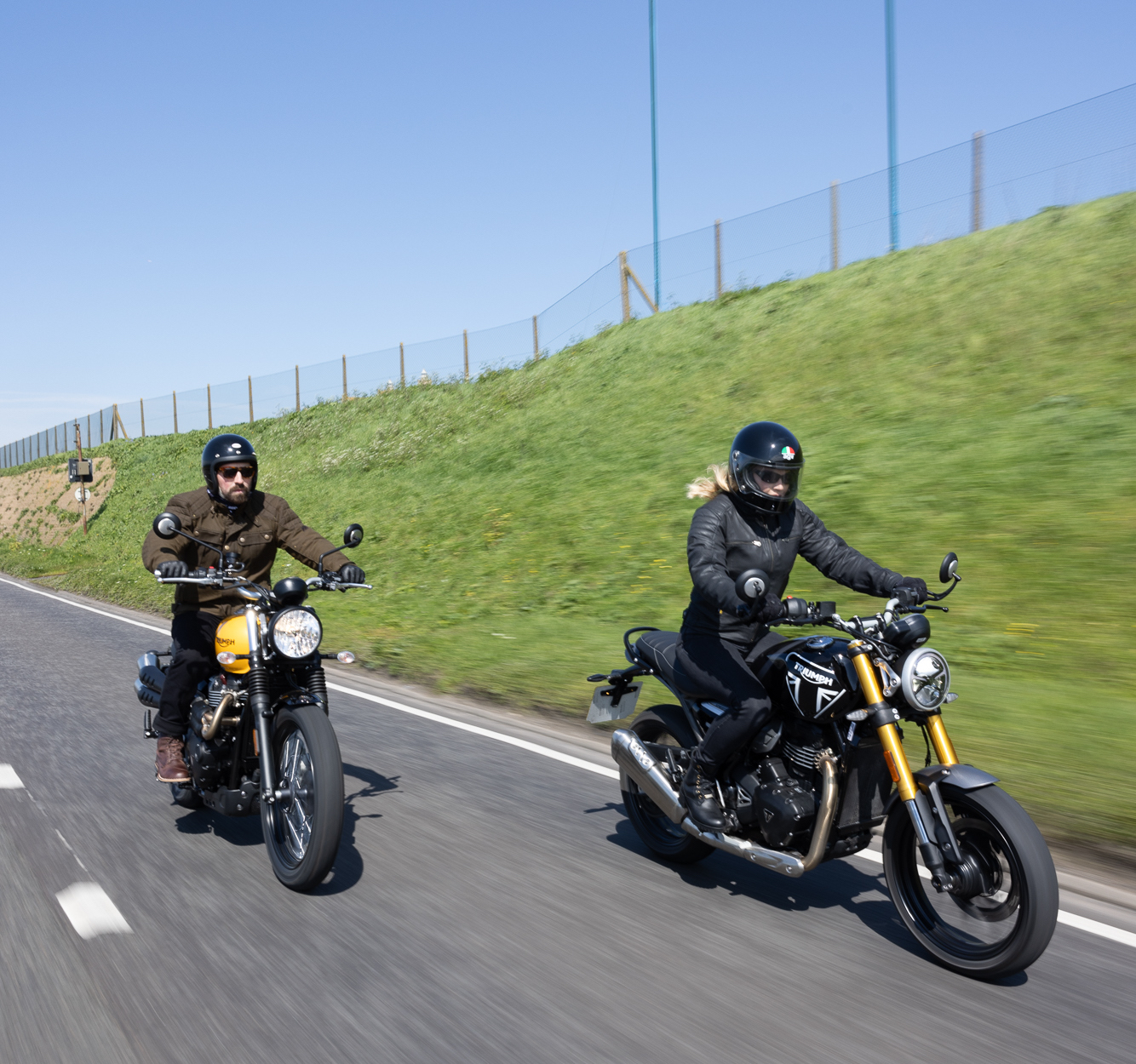
Watch Out for Potholes and Damaged Road Surfaces
Spring roads are often full of potholes because winter does a proper number on the surface. Water gets into small cracks, freezes when temperatures drop, then expands and weakens the road. Once things warm up again and traffic keeps passing over the same areas, the surface starts to break apart. That is why potholes are so common in spring.
For riders, they can be a real hazard. Even a small pothole can unsettle the bike, while a deeper one can damage your wheels, suspension or tyres. Keep your eyes up and scan the road ahead, especially on unfamiliar roads or ones that have clearly taken a battering over winter. If you can avoid a pothole safely, do it smoothly. If you cannot, try not to brake sharply or swerve at the last second. Ease off the speed, keep the bike upright and stay relaxed on the controls.
Leaving a bigger gap to the vehicle in front also gives you more time to spot potholes before you are right on top of them.
Ease Yourself Back Into Riding
One of the most overlooked spring riding tips is simply not doing too much too soon.
After a winter break, even experienced riders can be out of practice. Start with shorter rides to rebuild confidence, sharpen your observations and get used to the bike again. It does not take long, but it is worth doing.
For new riders, spring is a great time to build experience, but confidence should come gradually. Focus on smooth control, good observation and reading the road ahead.
Enjoy the Season, But Put Safety First
Spring is one of the best times of year to ride. The roads are calling, the days are longer and every ride starts to feel like an adventure again.
But enjoying it fully starts with preparation. Check your bike, wear the right gear, expect mixed conditions and give yourself time to settle back into riding.
A little caution at the start of the season can make every ride that follows safer, smoother and much more enjoyable.
Stay safe and enjoy the ride!