back to the blog
125cc vs 600cc: Powerful Differences Every UK Rider Must Know

Olivia C · March 09, 2026
- Understanding Engine Capacity in Motorcycles
- How Engine Size Affects Performance
- Performance Comparison: 125cc vs 600cc
- Licensing Requirements in the UK
- Cost of Buying a 125cc vs 600cc Motorcycle
- Insurance Differences Between 125cc and 600cc
- Fuel Economy and Running Costs
- Is Moving from a 125cc to a 600cc the Right Choice for You?
When choosing between a 125cc and a 600cc motorcycle, the difference goes far beyond engine size alone. These two classes of bike offer very different riding experiences, affecting everything from power and acceleration to running costs, licensing, and everyday practicality. For new riders in the UK, understanding that gap is essential before deciding whether to stay with a learner-friendly 125cc or move up to something much more powerful.
Understanding Engine Capacity in Motorcycles
Before comparing 125cc vs 600cc bikes, it helps to understand what engine capacity actually means.
The term cc stands for cubic centimetres, which measures the total volume of the engine’s cylinders. Put simply, it shows how much air and fuel the engine can burn. In general, the more air and fuel an engine can process, the more power it can produce.
For example:
|
Engine Size |
Typical Power |
Typical Top Speed |
|
125cc |
10–15 hp |
60–75 mph |
|
600cc |
90–120 hp |
150+ mph |
How Engine Size Affects Performance
Engine size influences several important parts of the riding experience, including:
- Acceleration
- maximum speed
- overall bike weight
- fuel consumption
- insurance costs
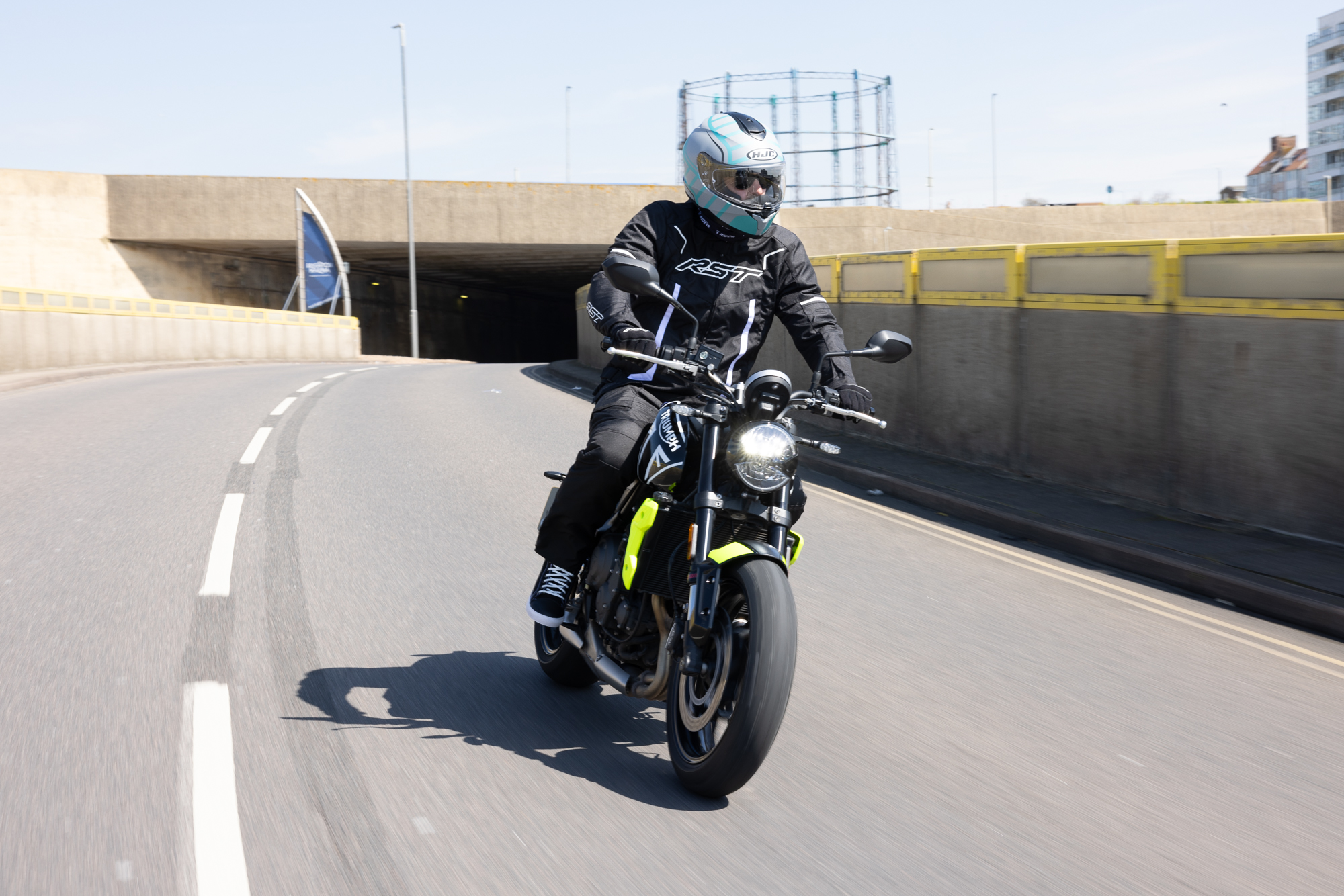
A 125cc motorcycle is built mainly for affordability, simplicity, and practicality. A 600cc motorcycle, by contrast, is far more focused on performance.
Performance Comparison: 125cc vs 600cc
Top Speed Differences
Most 125cc motorcycles have a top speed of around 60 to 75 mph. That is usually enough for city commuting and shorter journeys, but it can feel limited on faster roads.
By comparison, many 600cc sports bikes can exceed 150 mph, although speeds like that are not relevant for normal road use in the UK. In day-to-day riding, the more practical advantage of a 600cc bike is that it can cruise comfortably at motorway speeds without feeling strained.
Acceleration and Power Delivery
Acceleration is another area where the difference is immediately noticeable.
A typical 125cc bike may take around 12 to 15 seconds to reach 60 mph, while a 600cc sports bike can do it in under 4 seconds. That huge power gap changes the riding experience completely. A 600cc responds far more sharply to the throttle, which means it demands better control, more awareness, and greater rider skill.
Carriageway/Motorway vs City Riding
For city riding, a 125cc is often the better fit because it is:
- lightweight
- easy to manoeuvre
- cheap to run
For motorway or dual carriageway riding, a 600cc generally offers more comfort and confidence because it provides:
- stronger acceleration
- easier cruising at higher speeds
- better stability on faster roads
Licensing Requirements in the UK
Choosing between a 125cc and a 600cc is not just about performance. In the UK, each comes with different licence requirements.
CBT and Riding a 125cc
For most new riders, the starting point is Compulsory Basic Training (CBT). Once you have successfully completed a CBT course, you can legally ride:
- motorcycles up to 125cc
- bikes producing up to 11 kW (14.6 hp)
However, there are still important restrictions. Riders must display L plates, cannot carry passengers, and cannot ride on the motorway. A CBT certificate also needs to be renewed every two years unless you progress to a full motorcycle licence.
A2 and A Licence for 600cc Bikes
You cannot legally ride a 600cc motorcycle on a CBT alone. To move up, you will need further training and must pass Module 1 and Module 2 to gain at least an A2 licence.
- minimum age: 19
- bikes restricted to 47 hp
- minimum age: 24, or 21 through progressive access
- no power restrictions
Many 600cc bikes exceed A2 licence limits unless they are restricted through a mechanical or electronic modification, so that is something riders need to consider before buying.
Cost of Buying a 125cc vs 600cc Motorcycle
Another major difference between 125cc and 600cc motorcycles is the purchase price.
Typical UK prices look like this:
|
Bike Type |
Average Price |
|
125cc |
£2,500–£5,000 |
|
600cc |
£6,000–£12,000 |
Used bikes can reduce costs significantly, especially in the 600cc category. At the same time, 125cc bikes often hold their value well because there is always strong demand from new riders entering the market.
Insurance Differences Between 125cc and 600cc
Insurance is another area where the gap between 125cc and 600cc bikes becomes clear.
Insurance Costs for 125cc Bikes
Insurance for 125cc motorcycles is usually lower because they have:
- less power
- lower accident severity
- strong appeal for beginners
That said, younger riders may still face high premiums, just as they would with cars.
Insurance Costs for 600cc Bikes
600cc motorcycles usually come with much higher insurance costs, especially sports models. Factors that can push premiums up include:
- higher power output
- increased theft risk
- rider age and experience
Fuel Economy and Running Costs
Running costs also differ considerably between 125cc and 600cc bikes.
Fuel Consumption
Typical fuel economy by bike category typically is:
|
Bike Type |
MPG |
|
125cc |
90–120 MPG |
|
600cc |
35–50 MPG |
For regular commuters, that difference alone can save hundreds of pounds each year.
Maintenance and Parts
Maintenance costs are usually lower on a 125cc because these bikes tend to have:
- smaller engines
- cheaper replacement parts
- simpler overall designs
A 600cc bike, on the other hand, may need more frequent tyre changes, more expensive servicing, and higher fuel costs.
Is Moving from a 125cc to a 600cc the Right Choice for You?
Once you have completed your CBT and progressed to an A2 or full licence, moving from a lightweight bike to a middleweight machine can seem like the natural next step.
That said, stepping up from a 125cc to a 600cc is a significant jump. The throttle response is much sharper, the bike is noticeably heavier, and there is far more power available with even a small twist of the wrist. While that extra performance can make riding more enjoyable, it also leaves much more room for error if your control and road awareness are not yet fully developed.
One of the biggest adjustments is learning to handle the added weight and different steering feel of a larger bike. A 600cc motorcycle often feels more stable at speed, and wind has far less effect on it than it does on a lightweight 125cc, especially on faster roads. At lower speeds, however, that extra size and weight can take time to manage confidently.
There is a reason why 50cc and 125cc bikes are the starting point for riders. They help you build road sense, throttle control, and general confidence in a more forgiving way. A 600cc can be a brilliant next step once you have the right licence, training, and experience, but it should never be treated as simply a faster version of the same bike.
Ultimately, the right choice depends on your experience level, the type of journeys you make, and whether you value low running costs and simplicity or stronger performance and better motorway comfort.
CBT Training > Get Started on a 125cc
A2 or Full Licence Training > Upgrade to 600cc Bikes